

Hyundai Tucson vs Toyota Rav4 and Kia Sportage
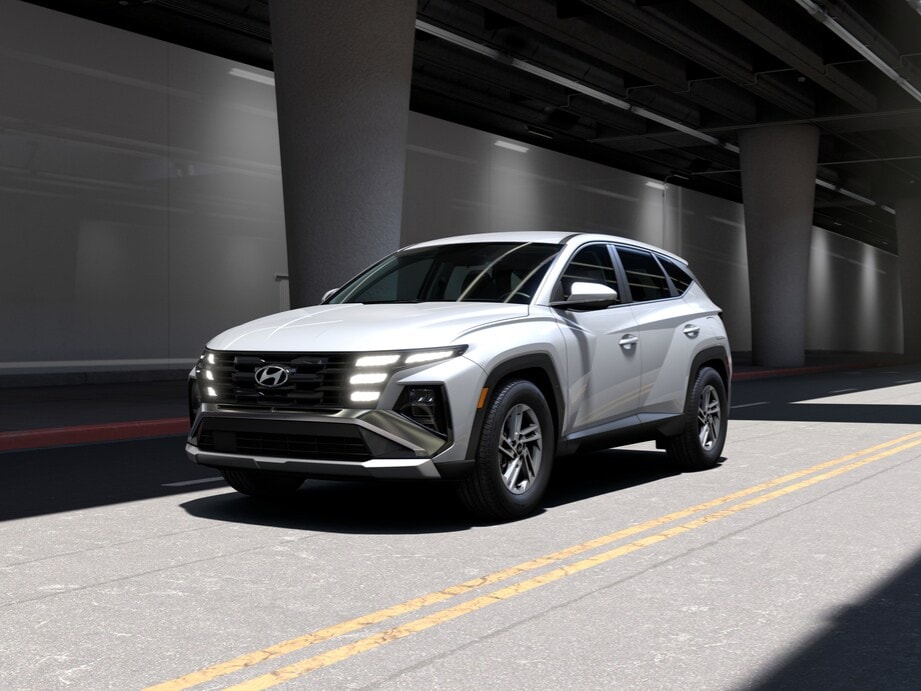
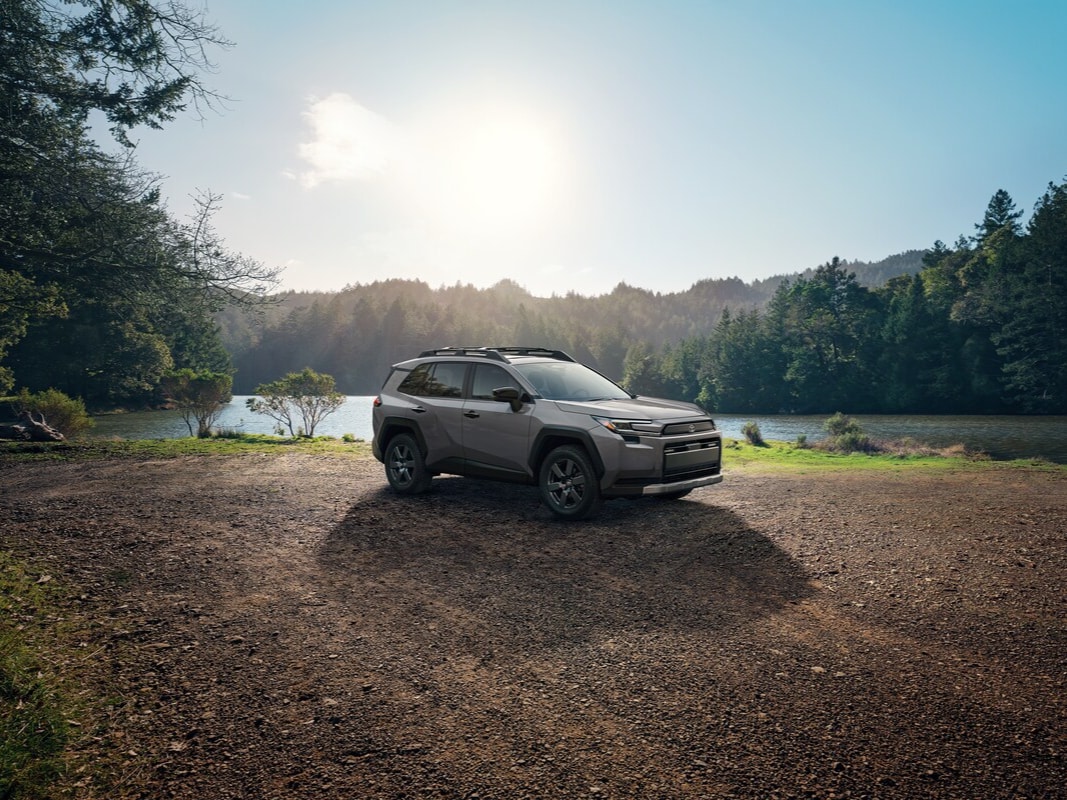
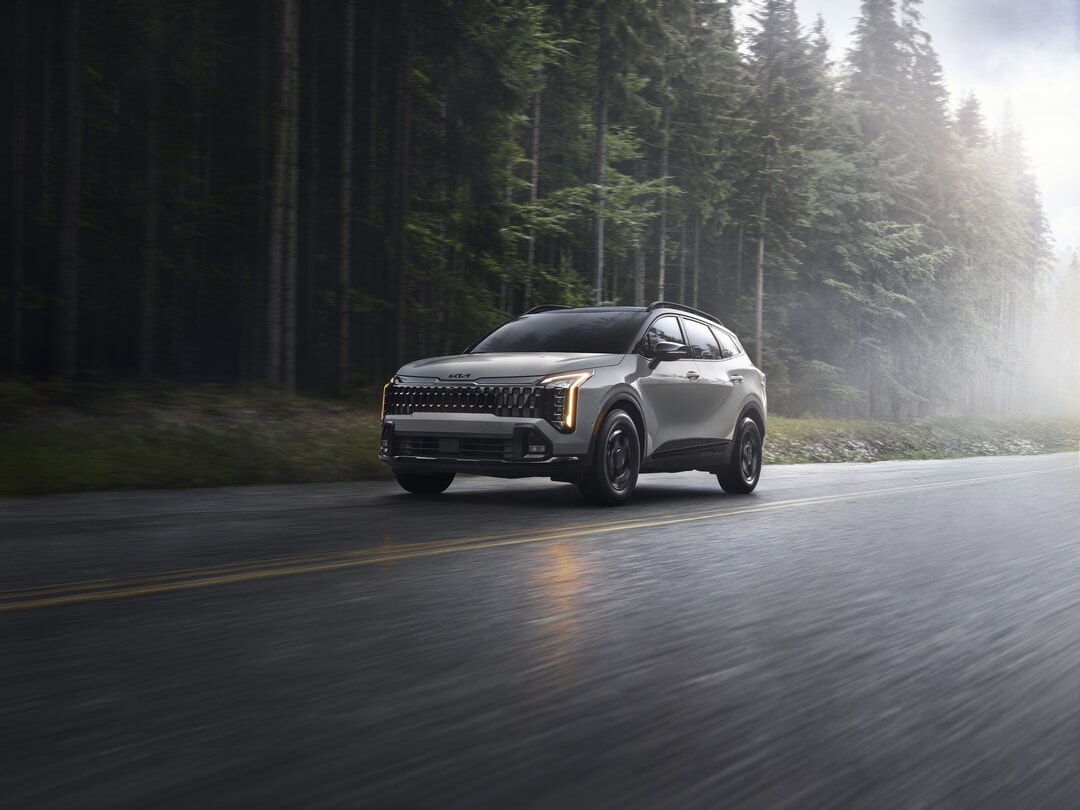
| 2026 Hyundai Tucson | 2026 Toyota RAV4 | 2026 Kia Sportage |
|---|---|---|
| Powertrain | ||
| Inline-4 (FWD) | Hybrid I4 (AWD) | Inline-4 (FWD) |
| Horsepower | ||
| 187 hp | 226 hp | 187 hp |
| Engine | ||
| 2.5L I4 | 2.5L Hybrid I4 | 2.5L I4 |
| Driving Range (City/Highway) | ||
| 358 / 472 miles | 682 / 580 miles | 358 / 472 miles |
| MPG (City/Highway/Combined) | ||
| 25 / 33 / 28 | 47 / 40 / 43 | 25 / 33 / 28 |
| 0–60 mph | ||
| 8.8 sec | 7.1 sec | 8.8 sec |
Comparing the Hyundai Tucson to the Competition
Are you in the market for a compact SUV? There are plenty of options to consider, like the Hyundai Tucson, Toyota RAV4, and Kia Sportage. But which one is the better choice? If you ask us, it's the Tucson by a mile. But don't just take our word for it. See for yourself by reading our in-depth comparison of each model so that you can make an informed decision.
Hyundai Tucson vs Toyota RAV4
The Toyota RAV4 has long been a popular choice in the compact SUV segment, but the Hyundai Tucson offers compelling advantages that drivers in Alexandria should consider before making their decision.
Performance: The Tucson offers a standard 2.5-liter four-cylinder engine with 187 horsepower and 178 pounds of torque, paired with an eight-speed automatic transmission. The RAV4's 2.5-liter engine generates 203 horsepower but delivers less responsive acceleration. The Tucson's available 1.6-liter turbocharged hybrid powertrain produces 227 horsepower, providing more power than the RAV4 hybrid's 219 horsepower.
Interior Design: The Tucson delivers 41.4 cubic feet of cargo space behind the rear seats, expanding to 80.3 cubic feet with seats folded. The RAV4 offers less room at 37.6 and 69.8 cubic feet, respectively. The Tucson also offers a wraparound dashboard with integrated air vents to create a more high-end cabin environment than the RAV4's interior layout.
Technology: The Tucson features an available dual 10.25-inch display, combining a digital instrument cluster with a center touchscreen. Standard wireless Apple CarPlay and Android Auto connectivity surpass the RAV4's standard eight-inch screen with wired-only smartphone integration. The Tucson also offers Hyundai Digital Key technology and Bluelink connected services, which make it a more compelling option.
Safety: The Tucson has a reputation for being reliable, in part due to Hyundai Smart Sense. Standard safety systems include forward collision avoidance with pedestrian detection, lane-keeping assist, and driver attention warning. The RAV4's Toyota Safety Sense 2.5 offers similar features, but the Tucson adds available Safe Exit Warning and Rear Occupant Alert to make the overall experience safer.
Hyundai Tucson vs Kia Sportage
The Kia Sportage shares its platform with the Tucson, making this comparison particularly interesting for shoppers in Pineville, LA, who want to understand the differences between these sibling vehicles.
Performance: Both vehicles utilize the same 2.5-lter engine producing 187 horsepower and the optional 1.6-liter turbocharged hybrid system. Both offer available all-wheel drive systems with terrain modes for enhanced traction. But the Tucson's offers a better front suspension and multi-link rear suspension to deliver a more refined driving experience with better noise isolation.
Interior Design: The Tucson provides 38.7 inches of rear legroom compared to the Sportage's 39.5 inches. However, the Tucson's dashboard and hidden air vents create a cleaner aesthetic than the Sportage's more angular design. Both feature leather-appointed seating on upper trims, with the Tucson offering ventilated front seats and heated rear seats. Browse our Hyundai Tucson inventory to explore available options.
Technology: Both SUVs feature 10.25-inch touchscreens with wireless smartphone connectivity. The Sportage has a panoramic display and wireless connectivity. The Tucson includes a standard eight-inch display on base trims, an available Bose eight-speaker audio system, and a head-up display that projects speed and navigation information onto the windshield.
Safety: The Tucson's SmartSense suite includes Highway Driving Assist with lane centering, blind-spot avoidance, and rear cross-traffic Assist. Both vehicles offer forward collision avoidance with junction-turning capability. Also, the Tucson comes with a 5-year/60,000-mile basic warranty and 10-year/100,000-mile powertrain warranty, which matches Kia's coverage.
Frequently Asked Questions
The Hyundai Tucson achieves an estimated 28 mpg city and 37 mpg highway.
Both vehicles share similar standard equipment, but the Tucson includes standard LED headlights, 17-inch alloy wheels, and an eight-inch touchscreen with wireless connectivity on the base SE trim level.
Hyundai provides a 5-year/60,000-mile basic warranty and 10-year/100,000-mile powertrain warranty, significantly exceeding Toyota's 3-year/36,000-mile basic and 5-year/60,000-mile powertrain coverage.
Experience the Tucson at Giles Hyundai
Ready to discover why the Hyundai Tucson stands out in the compact SUV segment? Visit Giles Hyundai to explore our selection and schedule a test drive. Our team can help you explore flexible financing options and answer any questions you may have. Contact us today, to learn more about our dealership and the new Hyundai Tucson. We look forward to hearing from you.
